

Uji Tea, Kyoto Roots
Horii Shichimeien grows in Uji, the region long known for Japan’s best matcha, so you’re buying from the source.

Shade-Grown for Sweetness
Shading the leaves before harvest gives a vivid green color and a smooth, savory-sweet taste with less bitterness.

Sealed to Stay Fresh
Matcha dulls quickly with air and light, so airtight packaging keeps your last scoop close to your first.
Best Sellers
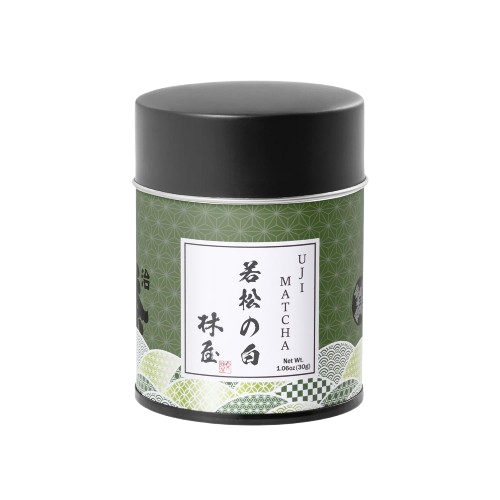
Wakamatsu Uji Matcha Powder, Ceremonial Grade
Made from Japanese green tea leaves sourced from Uji, Kyoto, and machine-milled, filled in Japan.
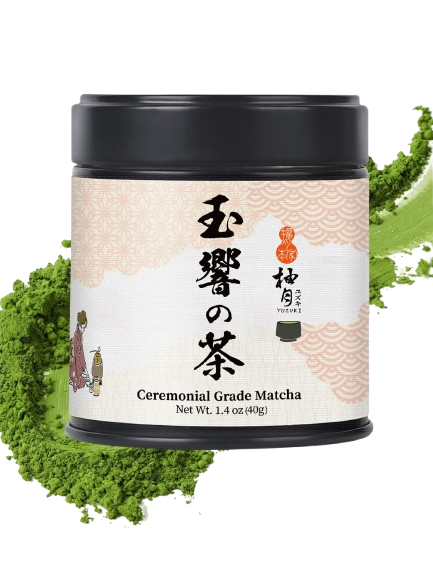
Ceremonial Grade Matcha Powder from Uji Kyoto
This cultivation brings out natural umami while keeping bitterness low, creating a smooth, mellow cup.
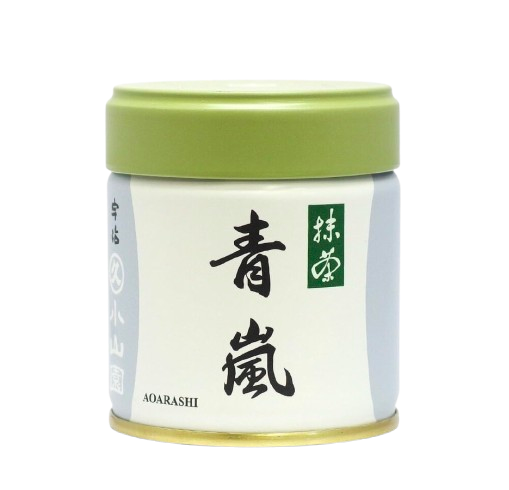
Organic, high-caffeine matcha from East Asia, made from Kanayamidori, Okumidori, and Asanoka cultivars.
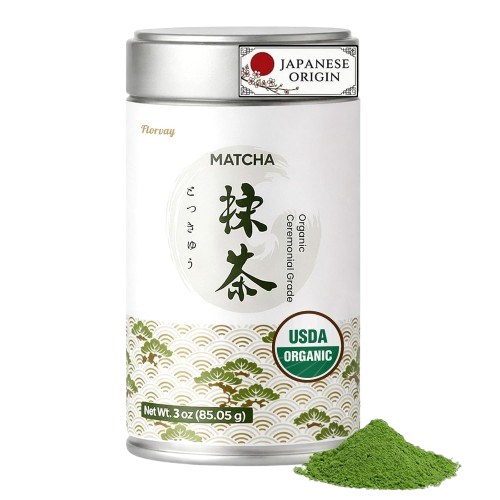
Japanese Ceremonial Grade Matcha Powder
The energy builds naturally and remains steady, supporting clarity and focus without sharp peaks or a heavy feeling.
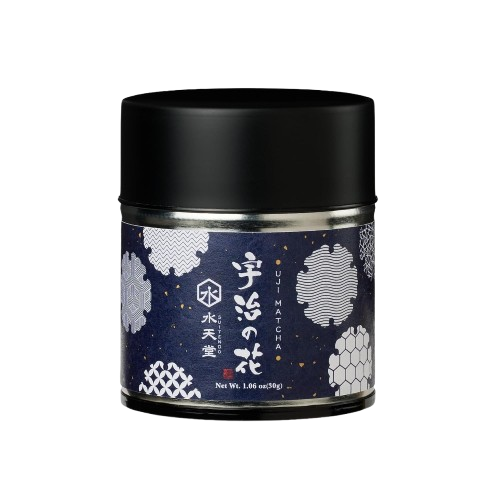
Japanese Matcha Green Tea Powder
Cultivated, processed, and packaged entirely in Japan’s renowned Uji region using time-honored traditional methods.
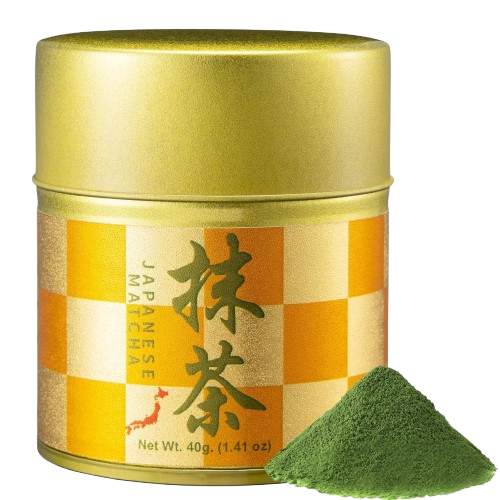
Matcha Powder Ceremonial Grade
Naturally rich in L-theanine and antioxidants, Matcharl matcha delivers steady, sustained energy and enhanced focus.
Stay in Touch
News, new releases, and announcements arrive in the inbox whenever there is something worth sharing.
categories
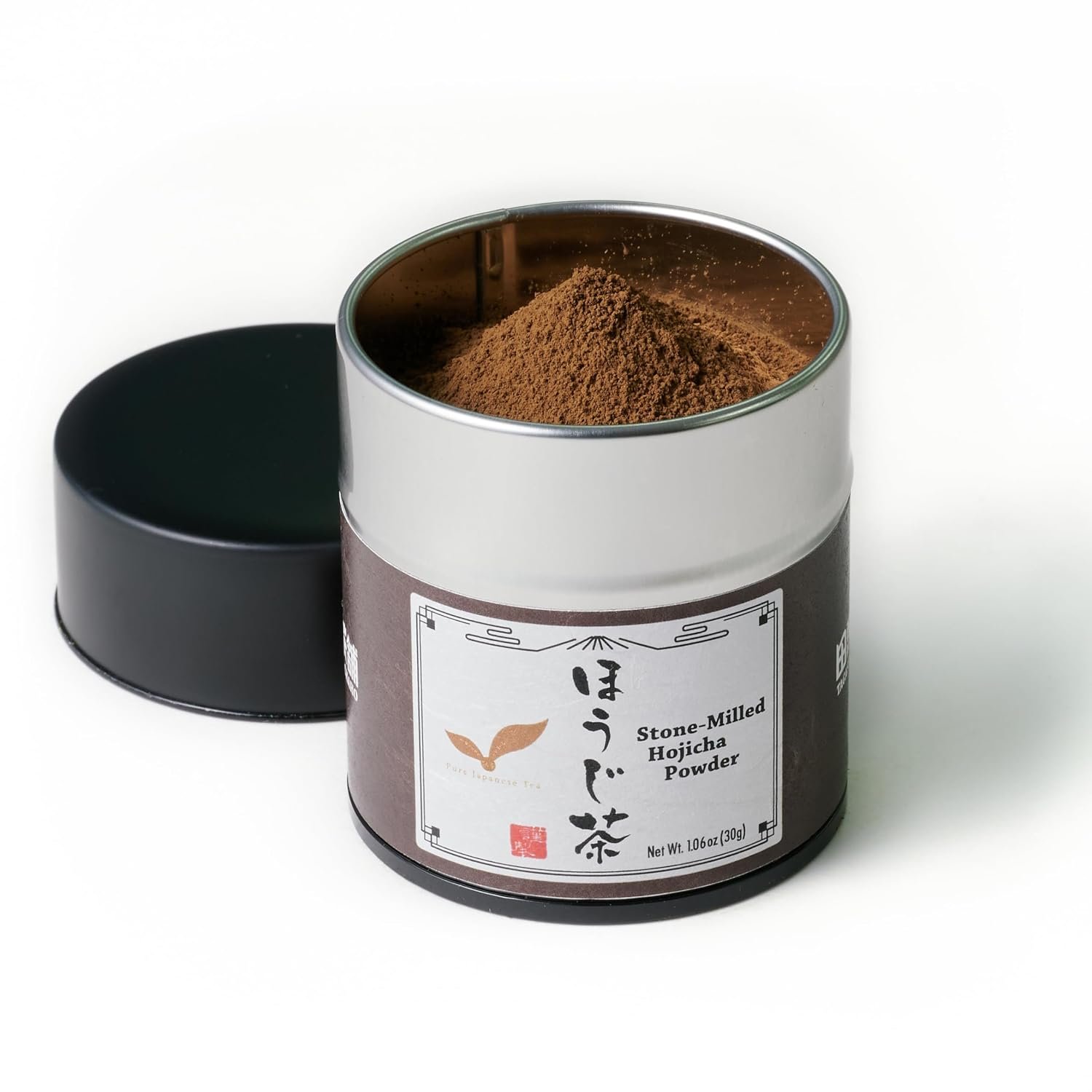
Hojicha
Genmaicha
Gyokuro
Steeped in Ritual, Whisked to Perfection
“Switched from coffee three months ago and I was skeptical the green would be this vivid. It whisks into a thick, bright foam with zero clumps, and the color alone makes my morning feel intentional.”
Daniel K.
Horii Shichimeien Premium Matcha
“Baked it into a batch of shortbread for a dinner party, and people kept asking what the green was. The flavor survived the oven, which has never happened with my old cooking matcha.”
Marco L.
Horii Shichimeien Culinary Matcha
“I’ve gone through a lot of ceremonial-grade tins that taste flat or turn bitter the second the water’s a few degrees too hot. This one stays sweet and round, with that deep umami finish.”
Hana M.
Horii Shichimeien Ceremonial Matcha
Complete Your Tea Ritual
Matcha Bowls
Bamboo Whisks
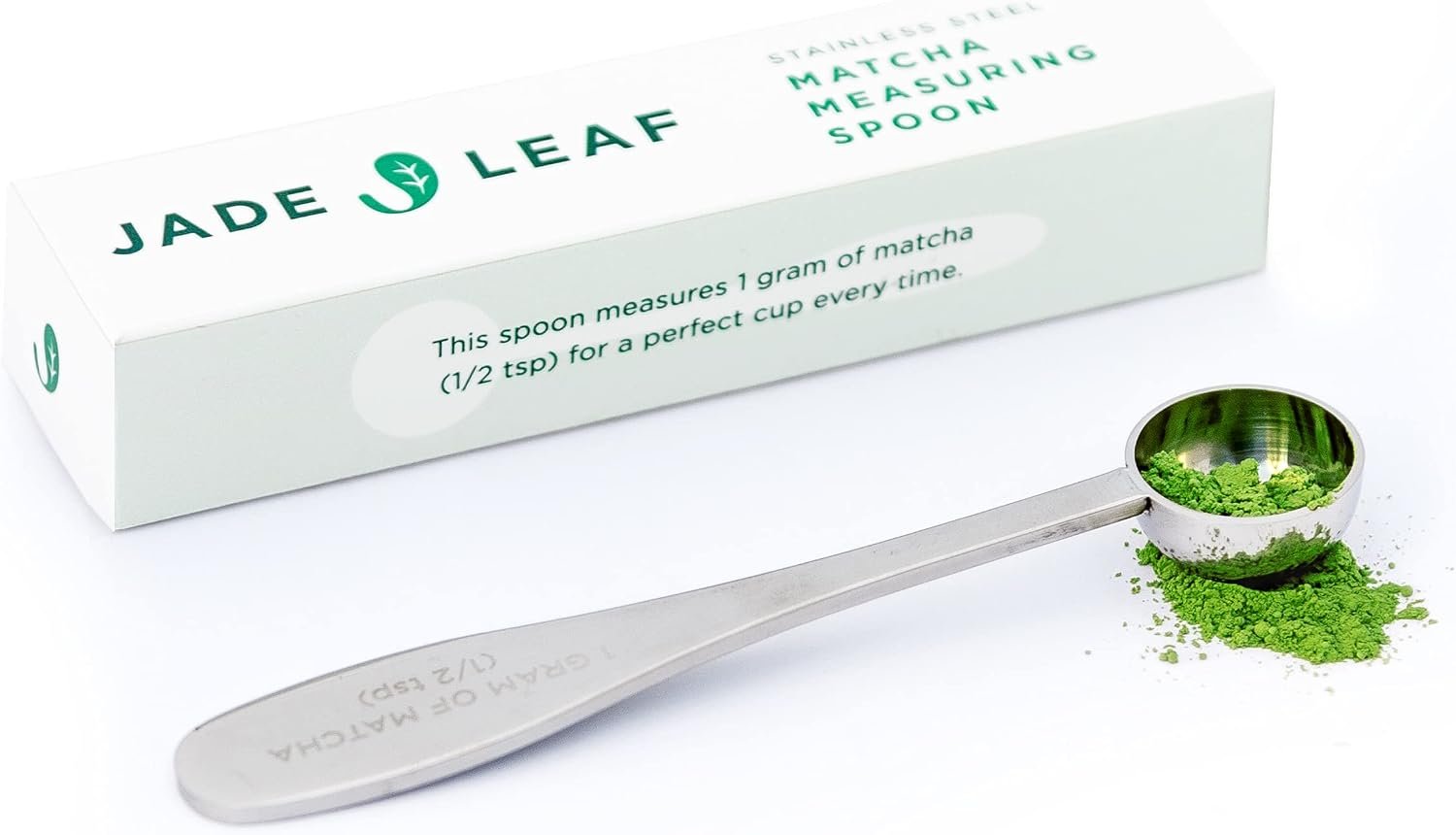
Matcha Spoons
Quick Answers Before the First Cup
Ceremonial grade is made from the youngest, most tender leaves. It has a smoother, sweeter flavor that suits whisking with water and drinking on its own. Culinary grade is slightly stronger and more bitter, which holds up better when mixed into lattes, baking, or smoothies.
A bamboo whisk gives the smoothest, frothiest result, but a small electric milk frother or a handheld whisk also works. Sifting the powder first and adding a splash of water to make a paste before topping up helps prevent clumps.
Matcha loses color and flavor quickly when exposed to air, light, heat, and moisture. Keeping the tin tightly sealed, in a cool and dark spot or the refrigerator, helps protect it. Letting a chilled tin reach room temperature before opening prevents condensation from getting inside.
About 1 to 2 grams, or roughly half to one teaspoon, is typical for a bowl or cup with 60 to 80 ml of water. Water around 70 to 80°C is best. Boiling water tends to scorch the powder and bring out bitterness.
Matcha does contain caffeine, generally less per serving than a standard cup of coffee. It also contains L-theanine, which many people find gives a calmer, steadier lift. Those who are sensitive to caffeine, pregnant, or advised to limit it may want to start with a smaller serving.
Flavor is usually at its best within one to two months of opening. The powder remains safe to use for longer, but the color can dull and the taste can turn flat or slightly stale. A bright green shade and a fresh, grassy aroma are good signs it is still in good shape.